Mylar Baby Bees: A Designer’s Review for Nursery Projects
As an embroidery designer who spends countless hours digitizing and testing files, I approach every new download with a critical eye. We all know the struggle of finding high-quality design assets that not only look good on screen but perform flawlessly under the needle. Recently, I explored the Mylar Baby Bees collection on Creative Fabrica, specifically looking for fresh ideas for my upcoming nursery-themed product line. After reviewing the set, I want to share my honest perspective on how these designs hold up for real-world application, from custom apparel to boutique merchandise.
First Impressions and Visual Appeal
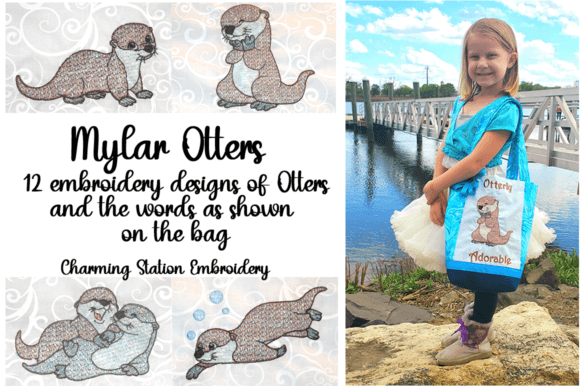
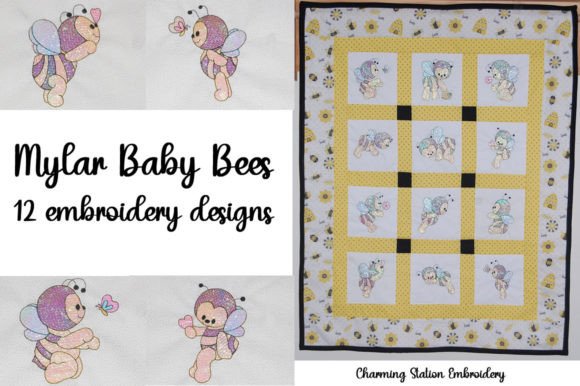
The moment I opened the preview for Mylar Baby Bees, the charm was immediate. This set includes 12 distinct little baby bee designs, each optimized for use with Mylar. For those unfamiliar, Mylar is a reflective material that adds a stunning, metallic shine to embroidery, making it perfect for capturing attention in product photography. The visual mood here is soft, playful, and distinctly geared toward the Nursery category.
What stands out most is the balance between detail and stitch efficiency. The bees are not overly complex, which is crucial when working with reflective materials that can sometimes hide fine details if the stitching is too dense. The designs possess a friendly "stitching personality" that feels handmade and warm, rather than rigid or industrial. This makes them an excellent choice for creating emotional connections with buyers looking for personalized gifts or unique baby items.
Versatility Across Product Lines
One of the strongest selling points of this collection is its versatility. Because there are 12 different designs, they offer incredible value for creators who need variety without sacrificing consistency. Here is how I envision using Mylar Baby Bees in various commercial contexts:
- Baby Quilts and Blankets: As suggested by the product description, these designs would make a terrific baby quilt. You can scatter the bees across a large blanket for an all-over print effect or cluster them in a corner for a subtle accent. The Mylar element adds a tactile surprise that parents and gift-givers love.
- Custom Apparel and Sweatshirts: For sweatshirt embroidery, these bees work beautifully on the chest pocket area or as a small sleeve detail. The reflective quality of the Mylar pops against matte fabrics like cotton fleece, elevating a basic garment into a premium handmade product.
- Tote Bags and Aprons: A single bee design serves as an adorable focal point for a canvas tote bag design or a kitchen apron. These items are staples in craft fairs and Etsy shops, and the durable nature of embroidery ensures they withstand frequent washing.
- Embroidered Patches: If you sell accessories, these designs are ideal for creating iron-on or sew-on patches. The compact size of the bees fits well within standard patch hoop sizes, allowing you to create bulk inventory efficiently.
Technical Considerations for Real-World Stitching
While the designs are charming, successful execution depends on technical precision. When working with Mylar and small motifs like these bees, there are several practical factors to consider before starting your machine.
Hoop Size and Placement: Since these are small designs, they likely fit within smaller hoops, such as 4x4 or 5x7 inches. However, always confirm the specific hoop size requirements in the file details. When placing them on curved surfaces like caps or rounded baby blankets, ensure your stabilizer is hooped tightly to prevent puckering. For caps, a strong cut-away stabilizer is non-negotiable to support the structure of the hat.
Stitch Density and Fabric Choice: Mylar adds thickness to the embroidery area. If the stitch density is too high, the needle may perforate the Mylar excessively, causing it to tear or look messy. I recommend testing on scrap fabric first. Use a lightweight tear-away or cut-away stabilizer depending on the fabric stretch. For stretchy fabrics like jersey knits used in baby onesies, a cut-away stabilizer provides the necessary support to keep the design flat after washing.
Thread Colors and Contrast: The beauty of Mylar is its reflectivity, so your thread choices should complement rather than compete with it. Yellow and black threads are obvious choices for bees, but consider using contrasting colors for the background fabric to make the Mylar shine. Dark fabrics can make the silver or gold Mylar pop dramatically, while light pastels create a softer, more traditional nursery aesthetic. Always check thread color contrast on your specific fabric before committing to a final piece.
Enhancing Product Value and Brand Consistency
In the competitive world of online selling, presentation is everything. Using Mylar Baby Bees can significantly enhance the perceived value of your finished product. The shimmer of the Mylar catches the light in photos, making your listings stand out in crowded marketplaces like Etsy. This visual appeal can lead to higher click-through rates and increased customer engagement.
Furthermore, having a cohesive set of 12 designs allows for brand consistency. You can create matching sets, such as a bib and burp cloth combo, or a pillow cover and wall hanging suite. This encourages bundle purchases, increasing your average order value. Buyers trust sellers who offer coordinated, professional-looking items, and these designs provide the polished look needed to build that trust.
Practical Steps Before Commercial Use
Before you launch your new line of bee-themed goods, take these essential steps to ensure quality and compliance:
- Check File Details: Verify the included formats (such as PES, DST, JEF) to ensure compatibility with your specific embroidery machine. The product page on Creative Fabrica will list these details.
- Review Licensing: Always read the license terms provided by the designer. Most Creative Fabrica products allow for commercial use of finished physical items, but restrictions may apply to digital resale or mass production limits. Confirm you are compliant before selling.
- Test Stitch-Outs: Never skip the test phase. Stitch the design on the same fabric and stabilizer combination you plan to use for production. Inspect small details after stitching to ensure the Mylar is securely caught and the edges are clean.
- Create Printable Mockups: Use digital mockups to visualize how the designs look on different products before stitching. This helps in planning your marketing materials and printable mockup strategies for social media promotion.
Final Thoughts on Mylar Baby Bees
The Mylar Baby Bees collection is a delightful addition to any embroidery designer’s library. It bridges the gap between cute aesthetics and practical application, offering enough variety to keep your product line fresh. Whether you are creating a single embroidered patch for a friend’s baby shower or stocking up on commercial embroidery items for a seasonal sale, these designs provide a reliable foundation.
By paying attention to stabilizer choices, thread contrast, and hoop placement, you can transform these digital files into high-quality tangible goods that customers will cherish. For those looking to add a touch of sparkle and sweetness to their nursery offerings, this set is certainly worth considering. Remember to visit the product page to download the files and review the specific technical specs to ensure a smooth stitching experience.