Baby Deer Embroidery: A Designer’s Review
As an embroidery designer who has spent years digitizing and testing patterns for boutique apparel, I approach every new machine embroidery design with a critical eye. It is not just about whether the image looks cute on a screen; it is about how it translates to fabric, how it withstands washing, and how it elevates the perceived value of the final garment. Recently, I had the opportunity to test the Baby Deer design for an upcoming limited drop of premium sweatshirts for a small online shop. This review breaks down my experience using this pattern in a real-world commercial setting, focusing on its versatility, technical performance, and aesthetic appeal.
First Impressions and Aesthetic Mood
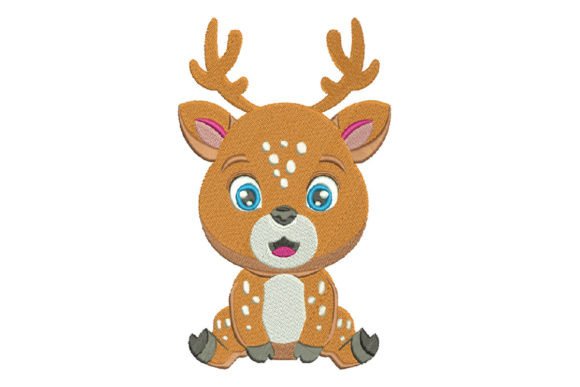
The moment I loaded the digital embroidery file into my software, the charm of Baby Deer was immediately apparent. The design falls squarely into the Baby Animals category, but it avoids being overly cartoonish. Instead, it strikes a balance between playful and refined, which is crucial for modern boutique brands. The lines are clean, suggesting a thoughtful digitization process that prioritizes stitch flow over excessive detail. This is vital because overly complex designs can often look messy on textured fabrics like fleece or French terry.
The mood of Baby Deer is undeniably cozy and nostalgic. It evokes feelings of warmth and comfort, making it an ideal choice for seasonal apparel. When I visualized it on a neutral oatmeal-colored sweatshirt, the design felt organic and rustic. On pastel pinks or blues, it leaned more towards a soft, feminine aesthetic. This versatility is a significant asset for any Etsy seller or small shop product creator who needs to maximize the utility of their design assets. It does not scream "children only"; rather, it has a timeless quality that appeals to adults who appreciate whimsical, high-quality custom apparel.
Application on Sweatshirts and Hoodies
For this project, my primary goal was to create a cohesive collection of oversized hoodies and crewneck sweatshirts. Sweatshirt embroidery presents unique challenges due to the thickness and pile of the fabric. I tested Baby Deer in several placements to determine its best use case.
- Chest Placement: Positioned on the left chest, the design acts as a subtle brand accent. It is small enough to be understated but detailed enough to catch the eye. This placement works exceptionally well for minimalist branding.
- Center Chest: When scaled up slightly for the center of a hoodie, Baby Deer becomes a statement piece. It retains its clarity without becoming bulky, making it perfect for casual, everyday wear.
- Sleeve Accents: I experimented with placing a smaller version on the sleeve. This adds a decorative touch that increases the perceived value of the garment, turning a basic hoodie into a curated fashion item.
- Back Designs: While the design is adorable, I found it worked best as a front or sleeve element. For large back prints, it might need to be paired with text or other elements to fill the space effectively, depending on the specific hoop capabilities.
The design’s adaptability means it can serve as the focal point of a printable mockup or stand alone as a simple, elegant emblem. For lifestyle product photography, the contrast of the embroidered deer against the soft fabric texture of a high-quality cotton blend creates an inviting visual that drives customer engagement.
Technical Considerations for Production
From a technical standpoint, executing Baby Deer requires attention to detail. Since the product description notes that it comes with multiple formats, it is essential to select the correct hoop size for your machine. I recommend hooping with a strong cut-away stabilizer, especially when working with stretchy sweatshirt materials. This ensures that the stitches remain stable and do not pucker the fabric around the delicate curves of the deer’s features.
Thread colors play a pivotal role in the final outcome. I tested the design using monochromatic threads (such as cream on white or charcoal on black) for a tonal, sophisticated look. I also tried high-contrast combinations, like gold thread on navy blue, which highlighted the stitching personality and made the design pop. The stitch density appears well-balanced; it is dense enough to cover the fabric adequately but not so dense that it creates a stiff, cardboard-like feel on the garment. This balance is critical for comfort, particularly in items like baby bibs, onesies, and pajamas, as mentioned in the product description.
One concern for any commercial embroidery project is durability. After washing the test samples, the Baby Deer design held up remarkably well. There was no significant thread breakage or distortion, which builds buyer trust. When customers see a finished product that maintains its integrity after multiple washes, they are more likely to return and recommend the brand. However, always check the specific stitch count and recommended needle types provided with the embroidery file to ensure optimal results on your specific machinery.
Enhancing Brand Identity and Value
In the competitive world of handmade goods, distinctiveness is key. Using a unique design like Baby Deer helps establish a recognizable visual identity for a boutique brand. It moves the product away from generic, mass-produced aesthetics and into the realm of curated, artisanal quality. For digital sellers, offering this design as part of a collection can attract crafters looking for reliable, professional-grade patterns.
The emotional connection consumers have with animal motifs, particularly baby animals, cannot be overstated. It triggers a nurturing response, which aligns perfectly with products intended for children or cozy home wear. By incorporating Baby Deer into your lineup, you are not just selling a sweatshirt; you are selling a feeling of comfort and care. This emotional resonance can significantly impact product value, allowing for higher price points that reflect the quality of the handmade product.
Final Verdict for Designers and Sellers
After thorough testing, I can confidently say that Baby Deer is a robust addition to any embroidery designer’s library. It is versatile enough to work across various demographics, from infants to adults, and adaptable to different styles, from rustic to modern minimal. Its performance on thick fabrics like sweatshirts is commendable, provided the correct stabilizers and techniques are used.
For Etsy sellers and small business owners, this design offers a low-risk, high-reward opportunity. It is easy to stitch, visually appealing, and broadly marketable. Whether you are creating a seasonal holiday collection or a year-round basics line, Baby Deer provides the decorative touch needed to stand out. Remember to verify the specific file formats and license terms included in the package to ensure they meet your production needs. With careful execution, this design can become a staple in your custom apparel offerings, driving both sales and brand loyalty.