Feast Mode: A Designer’s Review for Holiday Projects
As an embroidery designer who spends countless hours digitizing and stitching, I approach every new machine embroidery design with a critical eye. It is not just about whether a design looks cute on a screen; it is about how it performs under the needle, how it translates to fabric, and whether it adds genuine value to a handmade product line. Recently, I explored Feast Mode, a digital embroidery asset available on Creative Fabrica, specifically targeting the Thanksgiving season. After reviewing its potential for real-world application, I want to share my honest perspective on how this design fits into a professional crafter’s workflow.
First Impressions and Visual Appeal
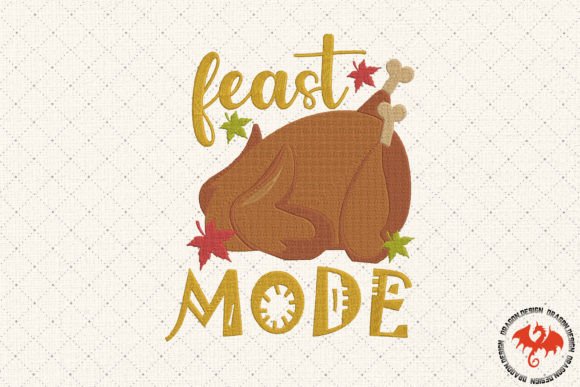
The moment I opened the preview for Feast Mode, the visual mood struck me as playful yet sophisticated. In the world of seasonal Embroidery, it is easy to fall into the trap of overly complex, clip-art-style graphics that lose their charm when stitched out. However, this design avoids that pitfall. It possesses a distinct personality that feels modern and inviting, making it suitable for a wide range of demographics, from young families to boutique home decor shoppers.
The detail level appears balanced. For a designer, this is crucial. Too much detail can lead to excessive stitch counts and long run times, while too little can look sparse on textured fabrics. Feast Mode seems to strike a middle ground, offering enough decorative appeal to stand out on a tote bag design or a sweatshirt embroidery project without becoming a dense block of thread. The aesthetic suggests a celebration of food, gathering, and gratitude, which aligns perfectly with the spirit of Thanksgiving.
Practical Applications for Handmade Businesses
When considering a new digital embroidery file, I always ask myself: "What can I sell with this?" The versatility of Feast Mode opens several doors for small business owners and Etsy sellers. Here is how I envision using this design in a commercial context:
- Custom Apparel: This design would look fantastic on the chest of a crewneck sweatshirt or the sleeve of a long-sleeve tee. The playful nature of the phrase makes it a conversation starter at holiday gatherings.
- Kitchen Textiles: Imagine this stitched onto a high-quality linen apron or a set of kitchen towels. It transforms a functional item into a festive personalized gift that hosts would love to receive.
- Tote Bags and Canvas Items: For craft fair products, a sturdy canvas tote featuring Feast Mode is a practical and stylish accessory for grocery runs or carrying potluck dishes.
- Home Decor: A pillow cover with this design adds a seasonal touch to living room decor without being so specific that it cannot be used throughout the autumn season.
For those selling finished product items online, the visual appeal of this design can significantly enhance product photography. A well-stitched example on a neutral background can drive customer engagement and boost buyer trust, showing that you invest in quality design assets.
Technical Considerations for Stitching Success
While the design is visually appealing, successful execution depends on technical precision. As an experienced embroiderer, I know that even the best designs can fail if the setup is incorrect. Here are the practical notes I consider before loading Feast Mode into my machine:
Fabric and Stabilizer Selection
The choice of fabric plays a massive role in the final outcome. For a sweatshirt embroidery project, the fleece or cotton blend provides a stable base, but it requires a cut-away stabilizer to prevent puckering over time. If you are stitching on a woven fabric like a tote bag or apron, a tear-away stabilizer might suffice, but I always recommend testing on scrap fabric first.
Textured fabrics, such as waffle weave towels, can sometimes cause small details to get lost. If Feast Mode contains fine lines or small lettering, ensure your needle is sharp and your tension is balanced. For stretchy fabrics, using a hoop size that securely holds the material without distorting it is essential. Always confirm the required hoop size listed in the product details to ensure it fits your machine’s capabilities.
Stitch Density and Thread Choices
One of the key factors in professional-looking embroidery is managing stitch density. Dense areas can cause fabric to pucker or threads to break, especially on curved surfaces like caps. If you plan to use this design on a hat, consider using a foam backing to lift the stitches and provide a cleaner finish.
Thread color contrast is another vital element. Since Feast Mode is likely themed around autumn harvest tones, choosing thread colors that pop against your fabric is important. For dark fabrics, use lighter, vibrant threads. For light fabrics, rich, deep tones can create a striking effect. Always review the thread colors in your software before stitching to ensure the design elements are distinct and readable.
Handling Small Details and Curves
If the design includes any intricate elements, such as small leaves or decorative borders, inspect them closely after stitching a test piece. Tiny details can sometimes pull or distort if the fabric is not properly stabilized. For curved cap surfaces, the layering of details needs to be precise to avoid registration issues. Using a proper stabilizer and ensuring the fabric is drum-tight in the hoop will mitigate most of these risks.
Enhancing Product Value and Brand Consistency
Incorporating high-quality designs like Feast Mode into your product line does more than just add decoration; it enhances the perceived value of your handmade product. Customers are increasingly discerning, looking for items that feel unique and well-crafted. A clean, professional stitch-out signals attention to detail, which builds brand consistency and customer loyalty.
Furthermore, seasonal designs offer excellent opportunities for limited-edition releases. By using Feast Mode for a specific Thanksgiving collection, you create urgency and exclusivity. This strategy can drive sales leading up to the holiday and help clear inventory of blank goods like aprons and towels. Additionally, creating printable mockup images using the design files can help you market these items effectively on social media before you even stitch the first piece.
Licensing and Commercial Use
Before launching any commercial project, it is imperative to understand the licensing terms. Feast Mode comes with multiple embroidery file formats, which is convenient for users with different machines. However, always check the specific license agreement on the Creative Fabrica product page. Most designs on the platform allow for commercial use on physical items, but restrictions may apply to digital resale or mass production limits. Confirming these details ensures you protect your business and respect the creator’s rights.
Remember, the description notes that this machine embroidery design can be used for outfits, home decor, and gifts. This broad usage permission is ideal for diversifiers who sell across multiple categories, from apparel to home goods.
Final Verdict
After reviewing Feast Mode, I believe it is a solid addition to any embroidery designer’s library, particularly for those focusing on seasonal and lifestyle products. Its balance of visual charm and practical applicability makes it a versatile tool for creating memorable personalized gift items and boutique merchandise.
For Etsy sellers and craft entrepreneurs, the key to success with this design lies in preparation. Test on scrap fabric, choose your stabilizer wisely, and pay attention to thread contrast. When executed correctly, Feast Mode can elevate your commercial embroidery offerings, providing customers with high-quality, festive items they will cherish. Whether you are decorating a simple tote bag or crafting a custom apron, this design offers the creative flexibility needed to stand out in a crowded market.
If you are looking to expand your autumn catalog with a design that speaks to the joy of gathering and feasting, Feast Mode is worth considering. Just remember to verify the file details and hoop requirements on the product page to ensure a smooth stitching experience.