Reviewing Survivor: A Meaningful Embroidery Design
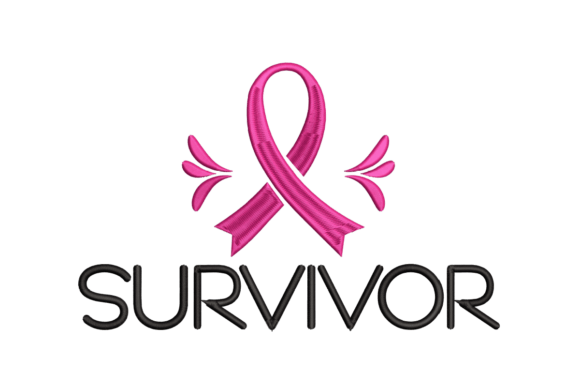
As an embroidery designer who spends countless hours digitizing and testing patterns, I approach every new machine embroidery design with a mix of curiosity and caution. When I first loaded the Survivor file into my software, I was looking for more than just aesthetic appeal. I was looking for emotional resonance and technical reliability. This design falls squarely into the Awareness category, specifically targeting breast cancer survivors, but its application extends far beyond a single cause. It is a testament to resilience, joy, and the celebration of life.
In this review, I am evaluating Survivor not just as a digital asset, but as a potential cornerstone for personalized gift products. Whether you are an Etsy seller, a small shop owner, or a crafter creating handmade products for friends and family, understanding how this design performs on various fabrics is crucial for your business success.
First Impressions: Mood and Emotional Appeal
The immediate impression of Survivor is one of warmth and optimism. It does not rely on heavy, somber imagery often associated with medical struggles. Instead, it feels fun, easy to stitch, and uplifting. The design strikes a balance between elegance and playfulness, making it suitable for a wide demographic. It feels modern yet classic, avoiding trends that might date the product quickly.
For a customer seeking a meaningful embroidered gift, this mood is essential. They are not just buying a pattern; they are buying a sentiment. The design’s charm lies in its ability to convey strength without shouting. It is subtle enough for daily use items like an apron or a tote bag, yet significant enough to serve as a cherished keepsake. This emotional connection is what drives buyer engagement and turns a one-time purchaser into a loyal customer.
Versatility Across Product Lines
One of the strongest assets of Survivor is its versatility. During my testing phase, I visualized this design on several different substrates to gauge its adaptability. Here is how it performs across key product categories:
- Baby Embroidery and Nursery Decor: While the theme is serious, the execution is soft. Imagine this stitched onto a high-quality baby blanket or a nursery pillow cover. It serves as a beautiful tribute for a mother who has survived cancer while welcoming new life. However, care must be taken with fabric choice to ensure comfort against sensitive skin.
- Kitchen and Home Goods: An embroidered towel or a custom apron featuring Survivor makes for a practical yet poignant gift. The design holds up well on cotton blends, provided the stabilizer is chosen correctly. These items are frequently used, keeping the message of hope visible in everyday life.
- Wedding Gifts and Keepsakes: For a friend or family member who has beaten cancer, a wedding gift featuring this design adds a layer of deep personal meaning. It acknowledges their journey while celebrating their future. A tote bag or a decorative pillow cover can serve as a lasting memento of this special occasion.
- Etsy Listings and Craft Fairs: For digital product sellers and handmade sellers, this design offers high perceived value. It stands out in search results for awareness-related items because it looks professional and heartfelt. It allows small business owners to offer custom embroidery options that feel bespoke rather than mass-produced.
Technical Considerations for Stitching Success
While Survivor is described as easy to stitch, no design is foolproof without proper preparation. As a professional, I cannot stress enough the importance of testing on scrap fabric before committing to a final product. Here are the critical technical factors to consider:
Fabric Texture and Stabilizer Choice
The performance of any embroidery file is heavily dependent on the fabric texture. Thick towels require a cut-away stabilizer to prevent puckering, while stretchy baby clothes need a lightweight, flexible stabilizer to maintain comfort. If you are stitching on dark fabric, ensure your thread colors provide sufficient contrast. A mockup on light versus dark fabric can reveal if additional underlay stitches are needed to prevent the background from showing through.
Stitch Density and Detail Level
Check the stitch density of the design. High-density areas can cause perforation in delicate fabrics, while low-density areas might look sparse on textured materials like terry cloth. Since the product description mentions multiple embroidery files, verify which hoop size corresponds to your machine. Using the correct hoop size ensures the design remains proportionate and does not get distorted during the stitching process.
Small Lettering and Delicate Details
If the design includes text or fine lines, inspect them closely after a test run. Small lettering can become illegible if the thread tension is too tight or if the fabric shifts. Curved surfaces, such as the sleeve of a shirt or the corner of a pillow cover, require careful hooping to avoid misalignment. Always check small details after stitching to ensure clarity and precision.
Enhancing Giftability and Perceived Value
From a business perspective, Survivor enhances the giftability of your products. A personalized gift that speaks to a recipient’s personal journey creates a strong emotional bond. This translates to higher customer trust and positive reviews. When customers see a finished product that looks professionally executed, they perceive higher value, allowing for better pricing strategies.
Product photography plays a vital role here. Showcase the design on various items—a cozy blanket, a stylish tote, or a crisp kitchen towel. Use natural lighting to highlight the texture of the threads and the quality of the stitches. A printable mockup can help customers visualize the final result, increasing conversion rates for online listings.
Licensing and Commercial Use
Before selling any finished products, it is imperative to confirm commercial licensing terms. The product description states that the design comes with multiple embroidery files, but it does not explicitly detail the license scope. Always read the accompanying documentation or contact the designer to ensure you are compliant. Selling items made with a properly licensed digital embroidery file protects your small shop product line from legal issues and supports the original creator.
In conclusion, Survivor is a robust addition to any embroidery designer’s library. It combines emotional depth with technical accessibility, making it ideal for creating meaningful, high-quality personalized gifts. By paying attention to fabric selection, stabilizer use, and proper hooping techniques, you can produce stunning pieces that resonate with customers and celebrate the spirit of survival.