It's the Juneteenth for Me: A Designer’s Review
As an embroidery designer who has spent years digitizing patterns and testing them on everything from delicate silk to heavy canvas, I approach every new machine embroidery design with a critical eye. It is not just about whether the file opens correctly; it is about how the design behaves under the needle, how it translates onto fabric, and ultimately, how it resonates with the person wearing or using the finished product. Recently, I had the opportunity to evaluate It s the Juneteenth for Me, a design rooted in the Awareness category, and I want to share my practical insights for fellow crafters, Etsy sellers, and handmade shop owners.
First Impressions and Visual Personality
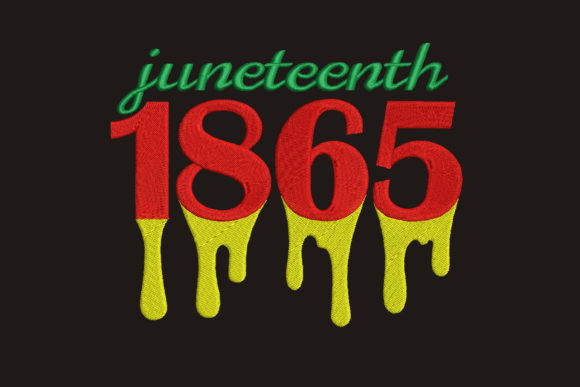
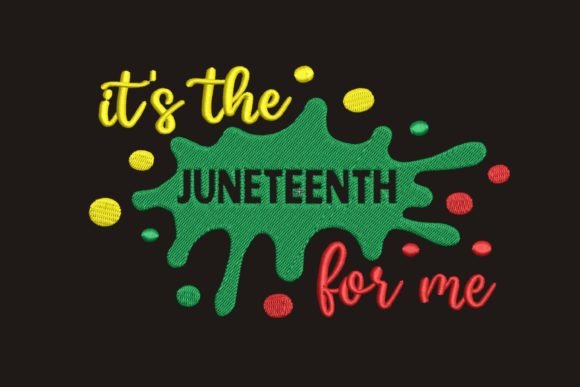
The moment I loaded the digital embroidery file into my software, the layout of It s the Juneteenth for Me struck me as balanced and intentional. The design does not rely on excessive complexity to make its point. Instead, it uses clean lines and thoughtful spacing to create a mood of celebration and reflection. For a theme centered on freedom and independence, this restraint is powerful. It avoids the clutter that often plagues holiday-themed designs, allowing the message to breathe.
Visually, the design feels versatile. It does not scream for attention in a chaotic way; rather, it invites closer inspection. This is crucial for commercial embroidery projects where subtlety often sells better than loudness. The visual personality suggests a modern, respectful approach to Juneteenth, making it suitable for a wide range of demographics, from young families to community organizations looking for meaningful design assets.
Real-World Application: The Custom Tote Bag Test
To truly understand how It s the Juneteenth for Me performs, I moved beyond the screen and into the studio. My test case was a custom embroidered tote bag, a popular item for small business merchandise and community events. I chose a medium-weight cotton canvas, a standard choice for tote bag design due to its durability and ease of stitching.
The stitching process revealed the design’s strengths. The transition between different stitch types appeared smooth. Where the design utilized satin stitch for borders or emphasis, the coverage was dense enough to prevent the fabric from showing through, yet not so dense that it caused puckering. The fill stitch areas maintained a consistent texture, providing a nice contrast to any running stitch details that might define finer elements. This balance is essential for maintaining the integrity of the finished product.
For an Etsy seller or a craft business owner, this reliability is gold. You do not want to spend hours hooping and stitching only to find that the design pulls unevenly or leaves gaps. In this real-life scenario, the design stitched out cleanly, requiring minimal trimming and no re-stitching. The result was a professional-looking bag that felt substantial and well-made, enhancing the perceived value of the handmade product.
Versatility Across Product Lines
While the tote bag was a success, I also considered how It s the Juneteenth for Me would translate to other items. The description notes that it stitches out perfectly on any fabric that celebrates freedom and independence, which implies a broad compatibility. Here is how I see it fitting into various product categories:
- Sweatshirt Embroidery: The design’s scale seems appropriate for the left chest or upper back of a hoodie. On fleece or French terry, the stitches should sit well on top of the pile, provided the correct stabilizer is used.
- Baby Embroidery: For softer, smaller items like onesies or baby blankets, the design could serve as a heartfelt personalized gift. However, care must be taken to ensure the stitch density is not too high for delicate baby skin or thin fabrics.
- Custom Apparel: T-shirts and aprons are excellent candidates. The design’s clarity ensures it remains legible even after multiple washes, a key factor for items that will see frequent use.
- Embroidered Patch: If you are creating patches for sale or promotional use, this design’s defined edges would likely cut cleanly, making it a strong contender for iron-on or sew-on applications.
Technical Considerations and Fabric Choices
No design is universal without adjustments. When working with It s the Juneteenth for Me, you must consider the fabric texture and stitch density. On textured fabrics like linen or heavy denim, the design holds up well because the stitches can anchor securely. However, on stretchy fabrics like jersey knits, proper stabilization is non-negotiable. I recommend using a cut-away stabilizer for garments that will be stretched during wear, such as t-shirts or sweatshirt embroidery projects, to prevent distortion over time.
Dark fabrics present another consideration. If you are stitching on black or navy, ensure your thread colors provide sufficient contrast. The design’s impact relies on visibility, so choosing vibrant reds, blacks, and greens—traditional Juneteenth colors—will enhance its emotional resonance. Always test the design on scrap fabric first, especially if you are experimenting with new thread brands or fabric blends. This simple step can save you from ruining a costly garment.
Additionally, pay attention to hoop size. While the design comes in multiple formats, you must confirm that your machine’s hoop can accommodate the largest version if you plan to use it on larger items like pillow covers or blankets. For smaller hoops, ensure you are using the scaled-down version provided in the file package to avoid cropping essential details.
Commercial Viability and Brand Consistency
For small shop product lines and boutique branding, consistency is key. It s the Juneteenth for Me offers a level of professionalism that builds customer trust. When a buyer sees a clean, well-stitched design, they associate that quality with your brand. This is particularly important for holiday embroidery items, which are often purchased as gifts. A sloppy stitch job can undermine the sentimental value of the piece, whereas a crisp, clear design elevates it.
Moreover, the design’s alignment with the Awareness category makes it suitable for community-focused projects. Non-profits, schools, and local businesses may seek out such designs for custom apparel or promotional items. By offering high-quality embroidery featuring this design, you position yourself as a vendor who understands cultural significance and respects the subject matter.
Practical Designer Notes for Best Results
To get the most out of this embroidery project, keep these practical tips in mind:
- Check Licensing: Before selling finished items or digital products, confirm the license terms. Ensure you have the right to use the design for commercial purposes if you are an Etsy seller or run a craft business.
- Test Thread Contrast: Use a printable mockup or physical test swatch to verify that your chosen thread colors stand out against the fabric background.
- Inspect Small Details: Zoom in on your machine’s screen before starting. Look for any tiny lettering or intricate corners that might require slower stitching speeds or finer needles.
- Stabilizer Selection: Match your stabilizer to the fabric. Tear-away for stable woven fabrics, cut-away for knits, and water-soluble for delicate or sheer materials.
- Wash Testing: If possible, wash a test piece to ensure the design holds up. This is crucial for items like kitchen towels or baby clothes that undergo frequent laundering.
In conclusion, It s the Juneteenth for Me is a thoughtful, well-executed addition to any embroidery library. It balances aesthetic appeal with technical reliability, making it a solid choice for both personal projects and commercial ventures. By approaching it with the care and attention to detail that professional embroidery demands, you can create beautiful, meaningful pieces that honor the spirit of freedom and independence.