Giraffe Girl Embroidery Review for Boutique Apparel
As an embroidery designer who spends countless hours digitizing and testing designs for boutique collections, I am always on the lookout for motifs that balance charm with commercial viability. When I stumbled upon Giraffe Girl in the Baby Animals category on Creative Fabrica, my immediate thought was not just about cuteness, but about application. How does this design translate from a digital screen to a tangible, high-quality finished product? For apparel decorators, Etsy sellers, and small clothing brands, the answer lies in the versatility of the stitch work and the emotional connection the subject matter creates.
First Impressions: Visual Personality and Stitch Mood
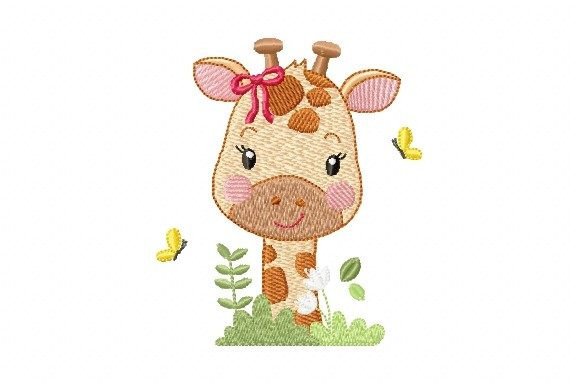
The first thing that strikes you about Giraffe Girl is its friendly and playful accent. In a market saturated with generic floral patterns and bold typography, character-driven designs offer a unique opportunity for brand storytelling. This machine embroidery design feels inherently soft and approachable. It does not scream for attention with aggressive colors or overly complex shading; instead, it invites a closer look. The aesthetic leans heavily into the cute and playful spectrum, making it an ideal candidate for children’s clothing, but its simplicity allows it to cross over into trendy, youthful adult apparel as well.
From a technical standpoint, the visual personality suggests a moderate stitch density. It appears detailed enough to convey the character of a giraffe—likely featuring those distinctive spots and gentle eyes—without becoming so dense that it stiffens the fabric. This balance is crucial for sweatshirt embroidery and hoodie designs, where comfort is just as important as aesthetics. A design that is too heavy can ruin the drape of a garment, but Giraffe Girl seems calibrated to sit lightly on the surface, preserving the softness of the underlying textile.
Strategic Placement for Sweatshirts and Hoodies
When planning a collection for an online shop, placement is everything. I envision Giraffe Girl performing exceptionally well in several key areas on custom apparel. For a classic look, a left-chest placement on a neutral sweatshirt or pastel hoodie creates a subtle, premium feel. This is the "quiet luxury" of the handmade world—understated yet distinct. The design’s compact nature makes it perfect for this spot, ensuring it does not overwhelm the garment’s silhouette.
For a bolder statement, consider using Giraffe Girl as a sleeve accent. Embroidering this motif on the cuff or upper arm of an oversized garment adds a unexpected detail that customers love. It transforms a basic hoodie into a curated piece. Additionally, because the design is described as adorable and friendly, it works beautifully on the back of denim jackets or tote bags. On a tote bag, the embroidery adds texture and value, turning a simple utility item into a lifestyle product photo ready for social media graphics.
However, context matters. While the design is versatile, you must consider the fabric texture. On fleece or heavy cotton blends, the stitches will pop nicely. On thinner t-shirt materials, you must be cautious. The stretchy nature of jersey knits requires careful handling to prevent puckering. This is where your choice of stabilizer becomes critical. A cut-away stabilizer might be necessary to support the stitch density over time, especially if the garment will be washed frequently.
Enhancing Brand Identity and Product Value
For boutique brands and creative entrepreneurs, every design choice contributes to brand identity. Using a cohesive theme like Baby Animals can help establish a recognizable style. Giraffe Girl offers a way to build visual consistency across a product line. Imagine a spring collection featuring this design on t-shirts, paired with matching accessories. This consistency builds buyer trust and product recognition. Customers begin to associate that specific playful, high-quality embroidery style with your shop.
Furthermore, embroidered items generally command a higher price point than printed ones. The tactile nature of thread adds perceived value. When you showcase Giraffe Girl in printable mockups or real-life lifestyle product photos, highlight the texture. Close-up shots that reveal the interplay of thread colors and fabric weave can significantly boost customer engagement. For an Etsy seller, these details differentiate a handmade product from mass-produced alternatives, justifying a premium price.
Practical Designer Notes for Production
Before launching Giraffe Girl into your commercial embroidery production, there are several practical steps you must take. As an experienced designer, I cannot stress enough the importance of testing on scrap fabric first. Do not assume the digital embroidery file will perform perfectly on your specific garment batch. Fabric variations, even within the same color family, can affect how the stitches lay.
- Check Stabilizer Choice: Match your stabilizer to the fabric weight. Lighter fabrics need more support to prevent wrinkling around the embroidery.
- Review Thread Color Contrast: Ensure your thread palette complements the garment color. On dark garments, you may need to adjust brightness or use underlay stitches effectively to make the design pop.
- Confirm Hoop Size: Verify that the design fits comfortably within your hoop without hitting the edges, allowing for proper tension.
- Inspect Stitch Density: Look for areas where stitches might overlap excessively, which could cause thread breaks or fabric distortion.
- Test on Similar Garment Fabric: If you are selling hoodies, test on actual hoodie material, not just flat cotton.
It is also vital to check Creative Fabrica product details and licensing before selling finished apparel. While many files come with commercial use rights, you must confirm the specific terms for this digital embroidery file. Never assume; always verify. Additionally, since the product description mentions it is a machine embroidery design but cuts off before listing specific formats, you must download the preview or description fully to ensure compatibility with your embroidery machine. Common formats include PES, DST, and JEF, but you need to know exactly what is included.
Navigating Technical Challenges
One area to approach with care is curved surfaces. Embroidering on the curved shoulder of a sweatshirt or the rounded bottom of a tote bag requires precise hooping. If the fabric shifts, the Giraffe Girl design could distort, losing its cute symmetry. Similarly, avoid placing the design over seams or pockets unless you have specialized equipment to handle the height differences. Ribbed fabric, often found on cuffs and collars, is particularly tricky. The elasticity can cause the embroidery to pucker when stretched. It is often better to place the design on the flat body of the garment rather than on ribbed sections.
Another consideration is tiny lettering. If the design includes any text elements alongside the giraffe, ensure they are large enough to stitch out cleanly. Small, intricate details can get lost or become messy if the needle deflection is not accounted for. If the design is purely graphical, as suggested by the focus on the animal, this risk is minimized, but always inspect the zoomed-in preview for any potential micro-stitches that might cause issues.
Final Thoughts on Commercial Viability
In conclusion, Giraffe Girl is a strong contender for any small shop product line focused on whimsical, high-quality apparel. Its appeal spans from children’s clothing to trendy adult streetwear, offering flexibility for seasonal collections. By paying attention to stitch density, fabric texture, and placement, you can elevate this simple embroidery file into a standout feature of your boutique brand. Remember, the success of commercial embroidery lies not just in the design itself, but in the execution. Take the time to test, refine, and present Giraffe Girl in a way that highlights its craftsmanship, and it will likely become a staple in your catalog of finished products.