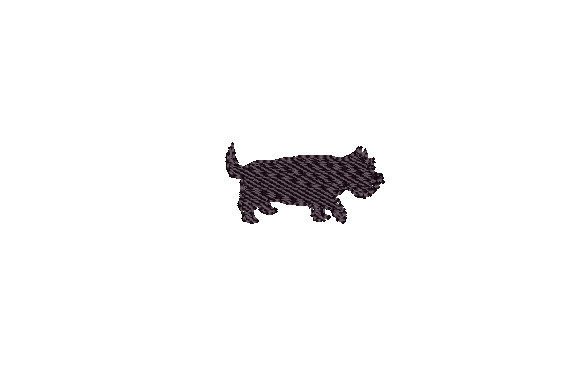
Westie Miniature: A Designer’s Holiday Review
As an embroidery designer who spends countless hours digitizing and testing files for seasonal collections, I approach every new machine embroidery design with a critical eye. The holiday season is not just about festive colors; it is about emotional connection, giftability, and the practical reality of production. When I first loaded the Westie Miniature file into my software, I was looking for more than just a cute dog. I was looking for a versatile asset that could anchor a entire line of small-scale holiday products. This review breaks down how this specific digital embroidery file performs in real-world selling scenarios, from Etsy listings to craft fair displays.
The First Impression: Cozy Nostalgia Meets Modern Simplicity
The Westie Miniature features a West Highland Terrier, a breed beloved for its spirited personality and iconic white coat. In the context of seasonal embroidery, this design exudes a sense of cozy nostalgia. It does not rely on overly complex shading or thousands of stitches to make an impact. Instead, it offers a clean, recognizable silhouette that feels both playful and premium. For Etsy sellers and handmade gift makers, this balance is crucial. A design that is too detailed can look messy on small items, while one that is too simple may lack perceived value. This design hits the sweet spot, offering enough detail to be charming without overwhelming the fabric.
The emotional tone here is warm and inviting. It fits seamlessly into themes of family, companionship, and home comfort. Whether you are creating holiday embroidery for Christmas ornaments or spring-themed baby showers, the Westie serves as a neutral yet engaging subject. It appeals to dog lovers broadly, making it a safe bet for a small shop product line that needs to appeal to a wide demographic.
Strategic Placement for Maximum Impact
The product description notes that this design is made for the smallest of hoops. This constraint is actually its greatest strength for holiday collections. Small hoop designs are incredibly versatile because they can be placed in subtle, high-value locations that larger designs cannot reach. Here is how I envision using the Westie Miniature across various product categories:
- Baby Clothes and Children’s Apparel: The small scale is perfect for the chest pocket of a onesie or the collar area of a toddler’s shirt. It creates an adorable, personalized touch without being bulky or uncomfortable for the child.
- Pockets and Plackets: On adult sweatshirts or flannel shirts, placing the Westie on the left chest pocket adds a sophisticated, boutique feel. It transforms a basic garment into a personalized gift that feels custom-made.
- Kitchen Towels and Linens: Kitchen towel embroidery is a huge seller during the holidays. A small Westie near the hem or corner of a flour sack towel adds character without interfering with the towel’s functionality. It pairs beautifully with rustic or farmhouse-style decor.
- Ornaments and Patches: Because it fits in small hoops, this design is ideal for felt ornaments or embroidered patch creations. You can stitch it onto felt backings to create hangable decorations for Christmas trees, which are easy to ship and highly giftable.
- Tote Bags and Aprons: A small, centered design on a canvas tote bag design or the bib of an apron looks elegant. It avoids the "loud" look of large central graphics, appealing to customers who prefer understated style.
Navigating Technical Challenges in Production
While the aesthetic appeal is strong, any experienced embroiderer knows that technical execution determines customer satisfaction. When working with the Westie Miniature, there are specific factors to consider to ensure a high-quality finished product.
First, consider the stitch density. Since this is a small design, the density must be appropriate for the fabric. If the density is too high for delicate baby clothes, it can cause puckering. Always test on your actual fabric before running a full batch. Use a proper stabilizer; for stretchy garments like sweatshirts, a cut-away stabilizer is often necessary to prevent distortion after washing. For woven fabrics like kitchen towels, a tear-away may suffice, but always check the back of the stitch-out for cleanliness.
Thread color selection is another critical decision. Westies are white, but stitching in pure white thread on white fabric will disappear. Conversely, using a contrasting color can create a striking graphic effect. For a classic look, consider using light gray or cream threads to define the shape against white fabric, or use bold holiday colors like red or green for the outline if you are going for a festive vibe. Always test your thread colors on both light and dark fabrics to ensure visibility and contrast.
Be cautious with tiny lettering if you plan to add names. The design itself is small, so adding text requires a font that remains legible at a reduced size. If the hoop size is very small, skip the text entirely and let the image speak for itself. This often results in a more professional and timeless look.
Boosting Seasonal Appeal and Sales
From a business perspective, the Westie Miniature is a tool for increasing average order value through bundling. Because the design is small and quick to stitch, it allows for rapid production of multiple items. You can create matching sets, such as a dog bandana and a matching owner’s tote bag, or a baby onesie and a burp cloth. These bundles are highly attractive to holiday shoppers looking for complete handmade gift solutions.
Visual recognition is key in online marketplaces. A consistent use of this design across different products helps build brand consistency. When customers see the same charming Westie on a pillow cover, a mug wrap, and a shirt, they recognize your brand’s aesthetic. This familiarity builds trust and encourages repeat purchases. Use high-quality printable mockup images to showcase these variations in your Etsy listings. Show the design in context—on a cozy armchair, in a nursery, or held by a smiling child—to help buyers visualize the product in their own lives.
Furthermore, this design supports limited-edition drops. You can release holiday-specific colorways, such as a Westie wearing a tiny stitched Santa hat (if the design allows for layering) or surrounded by holly. These small tweaks keep the core design fresh and give customers a reason to buy now rather than later.
Final Designer Notes for Commercial Success
Before you launch your seasonal collection featuring the Westie Miniature, take these final steps to ensure success. First, confirm the commercial licensing terms of the digital embroidery file. Ensure you have the right to sell finished products made with this design. Second, check the specific file formats provided to ensure compatibility with your embroidery machine. Third, consider the fabric texture of your chosen blanks. Thick towels may require a topping to prevent the stitches from sinking in, while smooth cottons will showcase the detail best.
In the world of Dogs and Embroidery, charm is currency. The Westie Miniature delivers that charm in a package that is practical for producers and delightful for consumers. By paying attention to placement, stabilization, and presentation, you can turn this simple design into a standout star of your holiday shop. It is not just a stitch pattern; it is a versatile asset that, when used wisely, can enhance your brand’s reputation for quality and thoughtfulness. Happy stitching, and may your holiday season be filled with successful sales and satisfied customers.