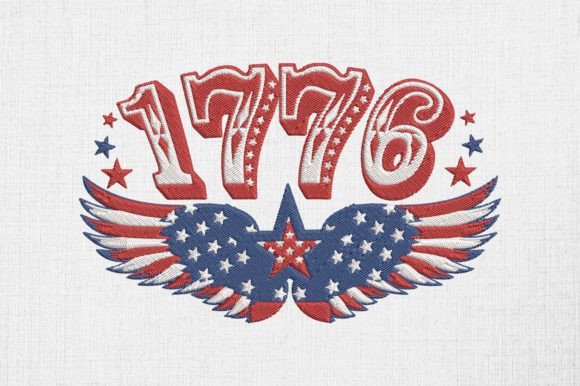
Review: 1776 America USA Flag 4th of July Design
As an embroidery designer who has spent years digitizing and reviewing patterns for commercial use, I approach every new machine embroidery design with a critical eye. It is not just about whether the image looks pretty on a screen; it is about how it performs under the needle, how it holds up in the wash, and most importantly, how it serves the business goals of the person buying it. Recently, I evaluated the 1776 America USA Flag 4th of July design, specifically looking at its potential for small business merchandise and branded patch applications. This review is tailored for apparel decorators, Etsy sellers, and craft entrepreneurs who need reliable, high-quality assets for their product lines.
First Impressions: Visual Personality and Brand Fit
The first thing that strikes you about the 1776 America USA Flag 4th of July is its inherent classicism. The inclusion of the date "1776" immediately anchors the design in historical significance, moving it beyond a generic flag motif into something that speaks to heritage and tradition. For a small business owner, this visual personality is crucial. It feels professional, bold, and undeniably patriotic without being overly cartoonish.
This design carries a sense of permanence. It does not feel like a fleeting trend but rather a staple graphic that can anchor a brand’s identity during the summer season. For boutiques and handmade brands, this means the design can be positioned as a premium item rather than a disposable novelty. The aesthetic suggests a rustic yet polished look, making it versatile enough for both modern streetwear and traditional home decor. When considering your brand identity, ask yourself if this level of classic patriotism aligns with your customer base. For many American-made goods stores, local bakeries, or heritage-focused apparel lines, this alignment is perfect.
Real-World Business Applications
The true test of any digital embroidery file is its versatility across different products. The description notes that this design will beautifully complement t-shirts, dresses, scarves, and home decor. However, from a commercial perspective, we need to dig deeper into specific use cases that drive revenue for small businesses.
- Embroidered Patches: This is perhaps the strongest application. The bold lines and clear typography of "1776" translate exceptionally well to iron-on or sew-on patches. Patches are low-risk, high-margin items for Etsy sellers. You can produce these in batches and sell them as standalone accessories or as add-ons to jackets and bags.
- Custom Apparel and Uniforms: Imagine a local café or a boutique hotel wanting to create staff uniforms for the summer holiday. Placing this design on the chest of a polo shirt or the sleeve of a denim jacket creates a cohesive, professional look. It acts as a subtle badge of honor for staff representing an American brand.
- Tote Bag Design: Canvas tote bags are a staple for farmers' markets and craft fairs. A centered 1776 America USA Flag 4th of July motif turns a simple bag into a statement piece. The durability of embroidery ensures that the branding lasts through repeated use, enhancing the perceived value of the handmade product.
- Apron Embroidery: For BBQ shops, bakeries, or florists, branded aprons are excellent walking advertisements. This design works well on the bib of an apron, adding a touch of festive flair to workwear that customers see during interactions.
Technical Considerations for Production
While the aesthetic appeal is strong, successful commercial embroidery requires technical precision. Before running a full production batch, there are several factors you must evaluate to ensure the finished product meets professional standards.
Stitch Density and Fabric Texture: Patriotic designs often involve solid fills for the flag stripes and stars. High stitch density can cause puckering, especially on lighter fabrics like t-shirts or scarves. It is essential to test the design on the specific material you intend to use. If you are working with textured fabric, such as canvas or denim, the design should hold up well, but on smoother, thinner materials, you may need to adjust your tension or use a cut-away stabilizer to prevent distortion.
Scale and Legibility: The number "1776" is a key element. When scaling this design down for a cap front or a small pocket logo, you must ensure the numbers remain legible. Tiny lettering can easily become a blob of thread if the resolution is too low or the stitch count is too high for the size. Always create a printable mockup at actual size to check readability before hooping.
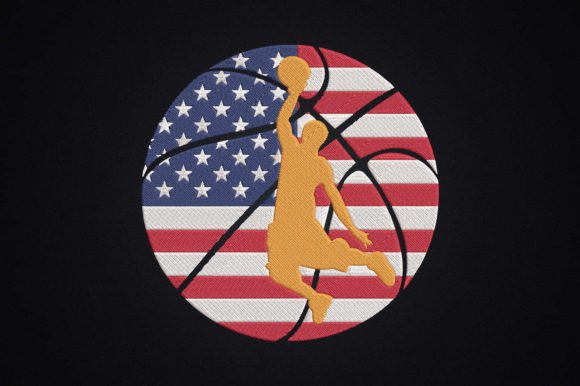
Thread Colors and Contrast: Red, white, and blue are high-contrast colors. While this makes the design pop, it also highlights any misalignment. Ensure your machine is properly calibrated. Additionally, consider how these thread colors interact with the garment color. This design will likely perform best on neutral backgrounds like white, navy, black, or heather gray. Using it on a busy patterned fabric might reduce its impact.
Strategic Placement and Cautionary Notes
Not every surface is suitable for every design. When using the 1776 America USA Flag 4th of July pattern, be mindful of curved surfaces. Cap embroidery requires careful hooping to avoid shifting. If the design is too wide, it may wrap around the curve of the cap uncomfortably. Similarly, for items that undergo frequent washing, such as work shirts or kitchen aprons, ensure that the edges of the design are properly satin-stitched or bordered to prevent fraying over time.
Avoid placing this design on areas of high friction, such as the inner elbow or the side seam of a tight-fitting dress, unless you are using a very flexible stabilizer and a lightweight digitizing style. The goal is to maintain the integrity of the embroidery file throughout the lifecycle of the garment.
Enhancing Brand Identity and Customer Trust
Incorporating a well-executed design like this into your product line does more than just decorate an item; it builds trust. Customers associate high-quality embroidery with professionalism and attention to detail. When a buyer sees a crisp, clean 1776 America USA Flag 4th of July emblem on a tote bag or a patch, they perceive the item as higher value than a printed equivalent. This perception allows small business owners to command higher price points.
Furthermore, consistent use of such design assets helps in building recognition. If you use this motif across various products—patches, caps, and home decor—you create a cohesive collection. This visual consistency is key to effective marketing, especially during the Independence Day season when consumers are actively seeking themed merchandise.
Practical Designer Notes for Implementation
To get the best results from this design, follow these practical steps before launching your products:
- Test in Monochrome: Before committing to colorful threads, stitch out the design in black and white. This helps you identify any issues with shape definition and spacing without the distraction of color.
- Verify File Formats: The product description mentions multiple embroidery file formats. Ensure you have the correct format for your specific machine (e.g., PES, DST, JEF) to avoid conversion errors that can alter stitch paths.
- Check Commercial Licensing: Always confirm the license terms. As a small business owner, you need to know if you are allowed to sell physical items made with this design. Never assume; always read the license included with the digital embroidery file.
- Create Client Mockups: If you are doing custom work for clients, use software to create a realistic preview. Show them how the design looks on a dark navy cap versus a white tee. This manages expectations and reduces the likelihood of revisions.
- Inspect Hoop Size Requirements: Check the dimensions of the design against your available hoops. You do not want to start a project only to realize the design exceeds your maximum hoop area.
In conclusion, the 1776 America USA Flag 4th of July design is a robust asset for any embroidery business looking to capitalize on patriotic themes. Its classic style, combined with its versatility across patches, apparel, and home decor, makes it a valuable addition to your library. By paying attention to technical details like stabilizer choice, stitch density, and placement, you can transform this digital file into a profitable, high-quality physical product that enhances your brand’s reputation.